Get Marketing Insights First
Subscribe to receive actionable strategies, growth tips, and industry insights delivered straight to your inbox.


Why a multilingual website is worth the investment — the SEO, sales, and brand-trust benefits, the top WordPress plugins to use (WPML, TranslatePress, Weglot), and the practical design considerations for languages, layouts, currencies, and cultural context.
For any commercial company, the website is the front through which it builds its credibility and introduces itself and what it can offer to the world, and the site is also the destination it drives its target audience toward to turn them into recurring customers.
But as companies grow and their business develops, some of them may want to expand their reach and gain a broader customer base than their primary targeted market and their limited geographic region. Achieving this requires creating a multilingual website that enables them to communicate effectively with visitors from several countries and serve their needs efficiently.
In this article, we’ll talk about the concept of the multilingual website, its benefits, and how to build one.
is a site that offers its content in more than one language, so the user can view this content in the language they prefer.
The types of content covered by this include the home page, landing pages, and various forms of written and visual content. Although creating a multilingual site is a process that requires some time and effort, over time it’s an investment that reaps significant returns.
If the user can’t read, they won’t buy — that’s the whole point of multiple languages. Statistics indicate that 80% of consumers prefer to buy the products presented to them in their native language.
Multilingual sites are the path out of a geographically limited market and toward developing the company’s business and expanding its customer base — so that the site meets customers’ needs across different countries, languages, cultures, and civilizations.
Building a multilingual website offers many benefits to companies, including:
Publishing the site’s content in multiple languages helps it get good rankings on many keywords and win visits from different countries around the world. That way, search engines recognize the quality of this content and give it a higher ranking on results pages — and in turn, the site gets wider reach to a global audience and earns more organic visits and traffic.
Increased sales are a direct reflection of what I mentioned earlier about the importance of a multilingual website. Content and product descriptions available in several languages make it easier for users from different countries to buy products or subscribe to services.
Every company strives to outperform its market competitors by every means, chief among them offering higher-quality products and services — but preparing multilingual content takes this competition to another level, and gives the company wider reach across diverse segments of potential customers.
Foreign customers appreciate the effort it takes to translate content into their native language. When a full, high-quality translation of the site’s content into their language is available, their trust in the brand and the likelihood of doing business with it rise.
Content available in several languages on the website makes it easier for users from different countries to understand this content and interact with the site — which serves the goal of delivering the best possible customer experience.
WordPress, an open-source content-management platform, is among the most popular website-building platforms in the world, and it’s used to build roughly 40% of websites On the web, WordPress makes designing multilingual websites easy — all you need is a translation plugin. Among the most widely used plugins:
This plugin enables us to create a complete multilingual website and translate the various elements on it — even images — so they display to the user in the language they prefer. It comes in a free version that allows translating the site to one new language, and a paid version that allows an unlimited number of new languages and many additional features.
This excellent tool allows the entire website to be automatically translated within a few minutes. Its package includes 65 languages the site can be translated into, and it also allows edits to parts of the automatic translation to make it more precise and better matched.
This tool suits e-commerce stores and software companies. Similar to the previous plugin, Weglot translates all the content on the website and provides it with a control panel to make any manual edits needed. It also generates a URL corresponding to each language, which helps search engines direct visitors to the most suitable versions of the pages.
There are several things to take into account when designing a multilingual website, including:
Literal translation often loses meaning, and heavy reliance on automatic translation can generate content that’s opaque to foreign visitors. So while translating, you should watch not just the literal meaning but also the cultural side of the required language.
When preparing the site’s core content, extensive research is done into keywords and SEO practices and put to work to get a high ranking in search results. The same should apply when translating content — attention must go to the keywords used in the new language and how they’re employed to get good rankings in the search results of the new user segments, not to be merely a literal translation of the content.
It isn’t necessary to translate the entire website, especially if the site has a large number of pages — translating all its content becomes an operation that requires substantial time and effort. You should choose the products, services, or pieces of content you want to target foreign customers with, and focus on translating the corresponding pages.
When translating written content from one language to another, the space it requires often differs. Latin-based languages, for example, need roughly 30% more space than English, while Arabic often needs less space than English. These differences between languages can cause the content to fall out of place when translated and hurt the pages’ overall layout, so this point must be watched — adjust font size and positioning when translating to preserve the page’s look.
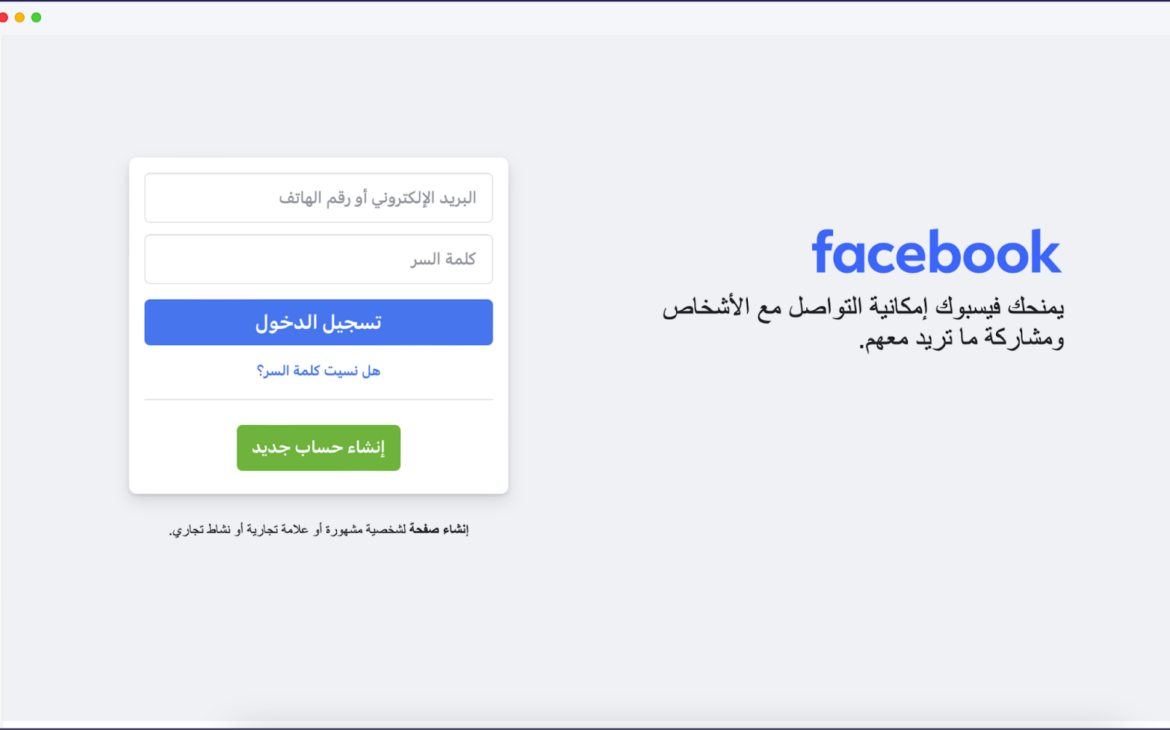
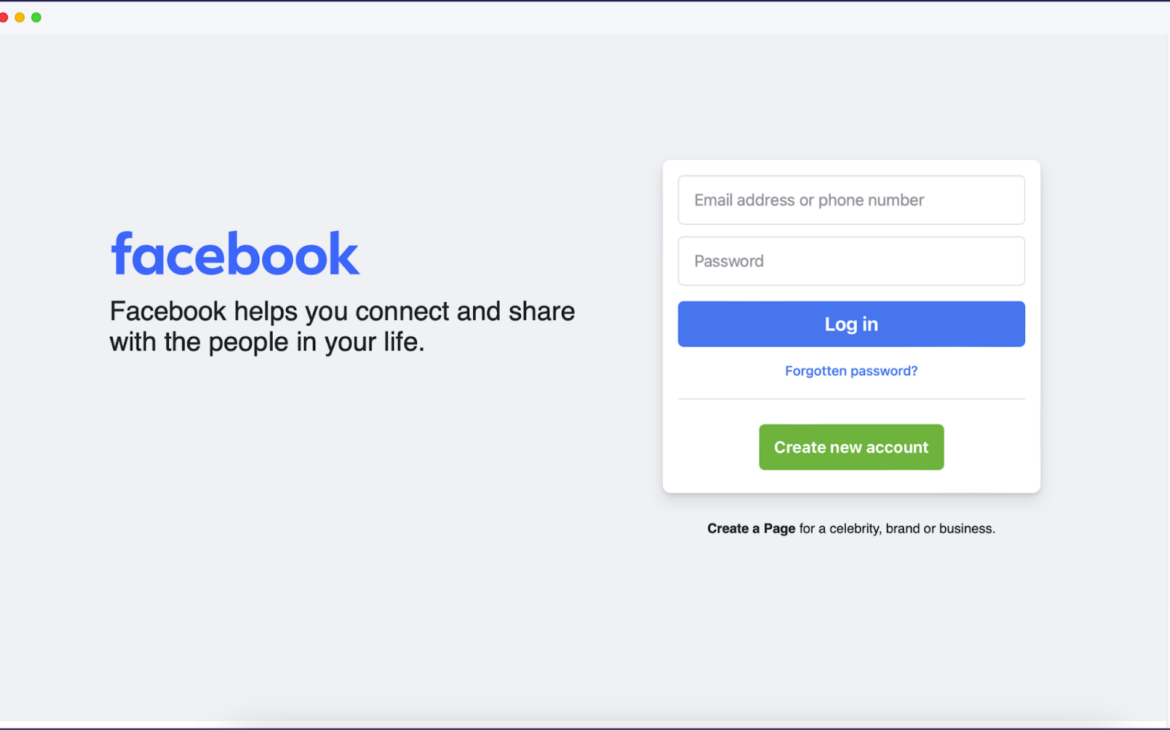
This becomes fully clear when translating from Arabic to English and vice versa. Here, the page interface must be adjusted to match the writing style of the required language, so the interface is completely mirrored. The simplest example is Facebook’s login page.
This point matters, especially for e-commerce stores. Based on a user’s country and language, they have a currency they can pay in and units of measure they understand. For example: a user from the United States pays in US dollars and uses inches and feet for measurement, while a user from Britain pays in pounds sterling and uses the metric system for measurement.
So attention must go to providing each version of the page with the currencies and units of measure suitable for the user based on their language and country.